


My Immune System Attacked Itself. Then So Did My Mind.
Over the last couple of months, I've been lucky enough to intern as an editorial copy editor for this magazine. What an honour.

I have worked with countless confident, inspirational women who write with awe-inspiring intelligence and emotional literacy. The pride the Roe girls have as women in today's society is incredible. With full transparency, I sometimes pinch myself that I get to be part of such a community. With that said, I like to consider myself like them, but most of the time?
I don't feel that way.
I was diagnosed with an autoimmune disease when I was thirteen years old. Nowadays, when people ask me about it, my answer is something like this: “Yeah, I'm in remission now. It mainly impacts my mental health.”
Only recently did I spot the pattern hidden in that answer. My immune system attacked itself, and consequently, so did my mind. I had symptoms of ulcerative colitis for two years leading up to my diagnosis in 2017. After a few hospital trips, a couple of flare-ups and adjustments to my medication, I soon began to lead a normal life again.
Thirteen-year-old me was chosen for every sports team, had a huge group of friends and, despite getting distracted by boys sometimes, was pretty good at school.
Post-lockdown, three years after my diagnosis, a switch flipped. My brain felt like it belonged to someone else. All of a sudden, I felt nothing but self-doubt. I started at a new school, but I couldn't go in. I was invited out with my friends, but I couldn't go out.
I had highs and lows, got through school and took a year to travel before university. Then everything came crashing down. I was consumed by intrusive thoughts, anxiety and panic. I dragged myself through my ski season working as a chalet girl.
My boyfriend at the time could only offer so much sympathy. My mum flew out to see me. I was too anxious to eat. Vomiting from the anxiety, I attempted to explain something to her that I couldn't even begin to understand myself. I came home, found a therapist and first learnt about OCD. I'd done my own research beforehand and suspected this might have been the answer.
OCD is informally known as “the doubting disorder”, a mental health condition that can make you question everything you thought you knew about yourself. The themes and subtypes are endless, and the subject matter can be extremely taboo. It's terrifying what your mind can convince you is true, and it was torture.
And after talking to someone, I made the connection. I'm no expert, but throughout my life, I've had no choice but to look inwards.
Thirteen-year-old me lost control of my body, but that was my body's choice. I had no awareness of what was going on at the time, but from the moment I first saw blood in the toilet, everything became centred around my colitis. Two years of being terrified I wouldn't make it to the toilet, constantly searching for bathrooms out in public and planning how I'd explain it to my friends if I had to cancel at the last minute.
Whatever I was doing that day depended on how bad my stomach was.
A lot goes on in a young girl's mind at thirteen years old; it's a formative age. And so it became imprinted on my adult brain that my colitis ran the show. My life was dictated by my colon, and even when she was behaving, my life was dictated by the fear of my colon.
Isn't it funny? My bowels gave up on my body, and then my brain did too.
Suddenly, after a wonderful childhood, there was a realistic worst-case scenario, and I didn't have faith in myself that I could deal with it. No matter how much control I tried to take to prevent a bad situation, there was always a feeling of shame. I think that combination of shame and a lack of control can easily convince you that you're not good enough.
I've stumbled upon many inspirational people in my life who battle chronic illness, and having any lifelong condition takes a huge toll. Knowing deep down that your body did this to itself? I think that has a large impact on one's self-worth. Subconsciously, you always wonder, physically, why you abandoned yourself. What happened?
Maybe I'm stating the obvious, but isn't it funny that it works like that? Before I was ill, I never struggled with confidence or self-worth. And despite having a relatively mild case of ulcerative colitis, I lost complete faith in myself across multiple areas of my life.
And despite being the best version of myself today, I'm still searching for this faith in certain areas of my life. Just the other day, I went hiking with some friends, which resulted in me hyperventilating ten minutes into the trek (lack of fitness may be partially responsible here).
I get scared to exercise because I'm convinced my body can't handle the exertion. I get scared when I don't get enough sleep because I fear I can't keep going like everyone else. I get scared to leave the house in case I'm sick or there's no toilet.
Doubt.
There's a brilliant phrase I'm familiar with that I'm still trying to internalise: “Hot girls have stomach problems.”
Autoimmune disease can make you doubt your body. It can also make you doubt your mind. But my mind got me this internship, the perfect place to tell my story. And I now work with women who show me that I'm good enough. Every day. Even when I don't feel like I am. So have faith.
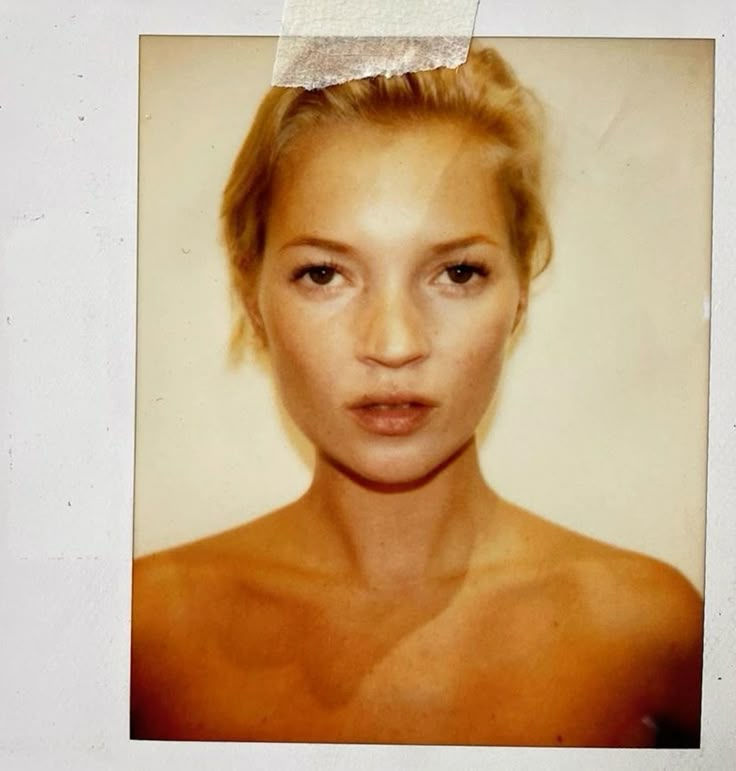
Photo © Angele Photographed by Kenza Le Bas (@kenzalebas)





Comments